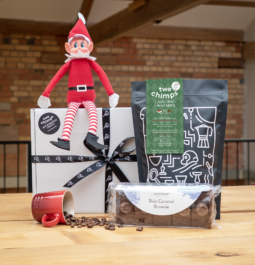
Odd One In – Sample
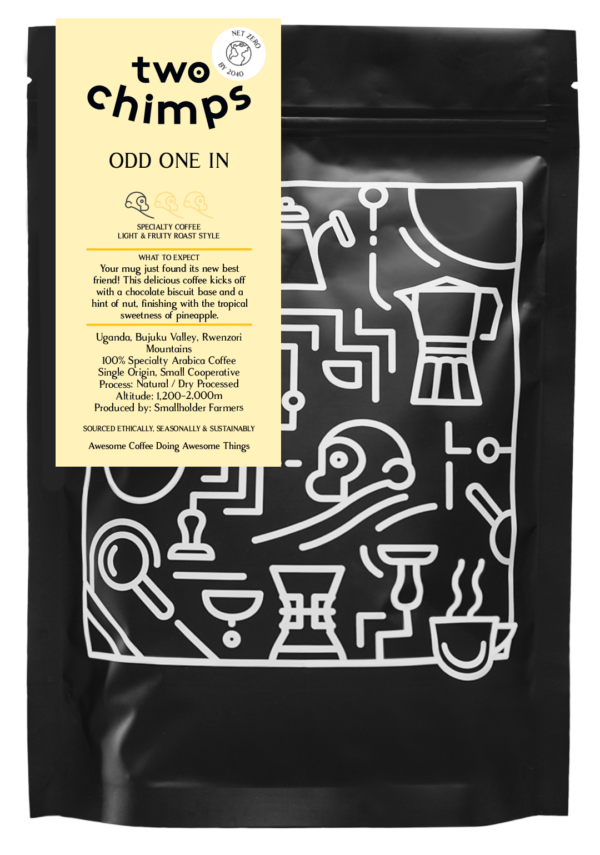
A sample sized light roasted Ugandan specialty coffee
This naturally processed coffee from the foot of the Rwenzori Mountains in Uganda starts with a delicious chocolate biscuit base with a subtle hint of nuttiness, combined with fresh pineapple for a refreshing twist. Try a 125g sample in whole bean or ground to your preference then, if you like it (which you will) try a standard bag or start a coffee subscription with us to stay topped up.
All our coffees are freshly hand-roasted with fast delivery.
-
More Info
A Ugandan specialty coffee
Light and fruity roast style
Notes of chocolate biscuit, nuts and pineapple
Freshly hand-roasted in Rutland
Recyclable packaging
-
Tastes Like
If you love the taste of chocolate biscuits (and who doesn’t) and you love nutty notes then this is the coffee for you. Imagine heading downstairs for your chosen brewing device, grabbing your favourite mug and pouring a delicious cup of light roasted Ugandan coffee that combines chocolate biscuits, nuts and refreshing, sweet pineapple. Well, you can – THIS is that coffee!
-
How to Brew
While this coffee tastes awesome in every device, our favourites are a filter, Chemex or cafetière.
If you want to know more, see our brew guides for making coffee.
-
Behind the Scenes
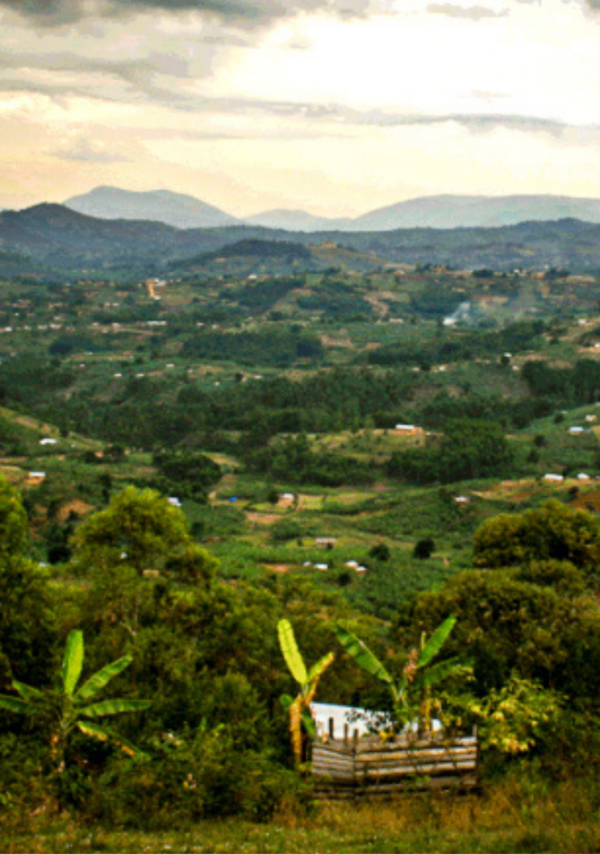
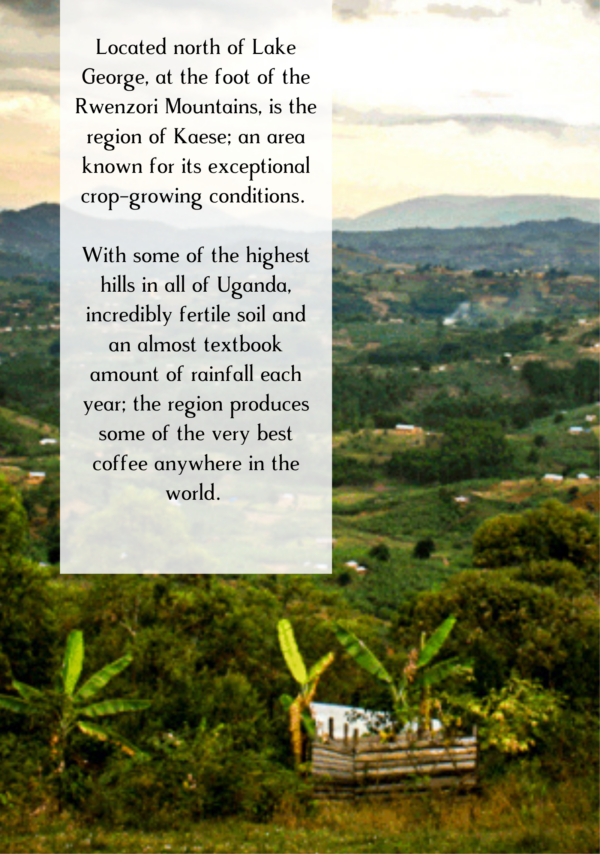
Positioned just north of Lake George, at the base of the Rwenzori Mountains, lies the Kasese region of Uganda. This destination is celebrated for its extraordinary agricultural conditions and is something of a haven for growing specialty coffee.
Boasting some of the highest elevations in Uganda, exceptionally rich soil, and ideal annual rainfall, this area yields some of the finest coffee globally. Yet, it is only over recent decades that the country has truly tapped into this potential.
A shortage of infrastructure combined with regional political instability previously caused coffee yields to dip, though production is fortunately experiencing a resurgence. Smallholders in the Bujuku Valley have been refining their techniques and accumulating extensive agricultural expertise over time, steadily elevating both crop quality and harvest volume each season.
This specific coffee is processed using the natural (dry) method alongside the pioneering DRUGAR technique—signifying that the beans are dried (DR), grown in Uganda (UG), and composed of 100% Arabica (AR).
-
What Does the Score Mean?
To find a coffees ‘quality’ score, a process known as ‘cupping’ is used. The only coffee we source and roast is speciality coffee. This type of coffee must get a score of at least 80 points. If this score is not achieved, the coffee won’t be speciality coffee. Want to know more? Check out our guide to coffee cupping to see what’s involved.
-
Roasting
When we hand roast our coffees, we never ‘over-roast’. The roasting process is used to bring out the natural flavours and aromas in the coffee. If we roast a coffee too dark, it’ll hide these natural flavours as they migrate towards burnt and bitter flavours. As the coffee we roast is such high quality, instead of roasting to hide the flavours, we can roast to highlight them! The coffees we roast are never bitter or burnt. Instead, they are all naturally sweet (not like a sugary sweetness, just naturally sweet) and all bursting with different flavours.
None of the coffees we source are ever the same. Some of them have a chocolatey note, and others are fruity. The farmers and workers who harvest and nurture the coffee work tirelessly to always produce a great product. We feel it’s our duty to get the most out of every bean we have.
-
The Nuts and Bolts
Roast Style: Light & fruity
Location: Bujuku Valley, Rwenzori Mountains
Varietal(s): Nyasaland, SL14, SL28
Processing: Natural / Dry Washed
Altitude: 1,200-2,000 metres above sea level
Country: Uganda
Certification: Specialty
Score: 82
Produced by: Smallholder farmers
What does this all mean? Check out our Jargon Buster.
-
Why buy speciality coffee from us?
By you purchasing speciality coffee from us, you are helping coffee farmers and workers throughout the globe who we source our coffee from. We ensure that we pay between 30 and 150% more than the ‘going rate’ for our green coffee. This means the farmers get paid more for their crops. This gives them the opportunity for better living conditions and, hopefully, an even better harvest next year.
We make sure the supply chain is kept as short as possible. This way, even more makes it back to the farm and its workers.
So pat yourself on the back. You are making a difference.
-
Where does the name come from?
Well nobody wants to be the odd one out, but have you ever heard anyone refer to the Odd One In? Perhaps we’re onto something.